

Warehouse Safety
Warehouse safety is essential to protecting employees, maintaining productivity, and preventing costly accidents. A safe warehouse environment requires proper training, clear communication, regular equipment inspections, and adherence to established safety procedures. Employees should be trained to recognize hazards, use personal protective equipment (PPE), operate machinery safely, and follow proper lifting and material-handling techniques. Maintaining clean, organized work areas, clearly marked traffic lanes, and accessible emergency exits helps reduce the risk of slips, trips, falls, and collisions. By fostering a strong safety culture and encouraging proactive hazard reporting, organizations can create a safer workplace where employees return home safely at the end of every shift.

Manufacturing Safety
Manufacturing safety is critical to ensuring the well-being of employees and the efficient operation of production facilities. A comprehensive safety program includes proper machine guarding, employee training, routine equipment maintenance, and strict adherence to safety procedures. Workers should be educated on hazard recognition, lockout/tagout practices, personal protective equipment (PPE) requirements, and emergency response protocols. Maintaining organized workspaces, conducting regular safety inspections, and promoting open communication about potential risks help prevent workplace injuries and equipment-related incidents. By prioritizing safety at every level of the organization, manufacturers can reduce downtime, improve productivity, and create a work environment where employees can perform their jobs with confidence and security.

Construction Safety
Construction safety is vital for protecting workers in one of the most hazardous industries. Effective safety programs focus on hazard identification, fall protection, proper equipment operation, and compliance with industry regulations. Workers should receive ongoing training on safe work practices, personal protective equipment (PPE), ladder and scaffold safety, excavation hazards, and emergency procedures. Regular site inspections, clear communication among crews, and proactive risk assessments help prevent accidents and reduce injuries. By fostering a culture of accountability and safety awareness, construction companies can create safer job sites, improve project efficiency, and ensure that every worker returns home safely at the end of the day.
Rail/Maritime Safety
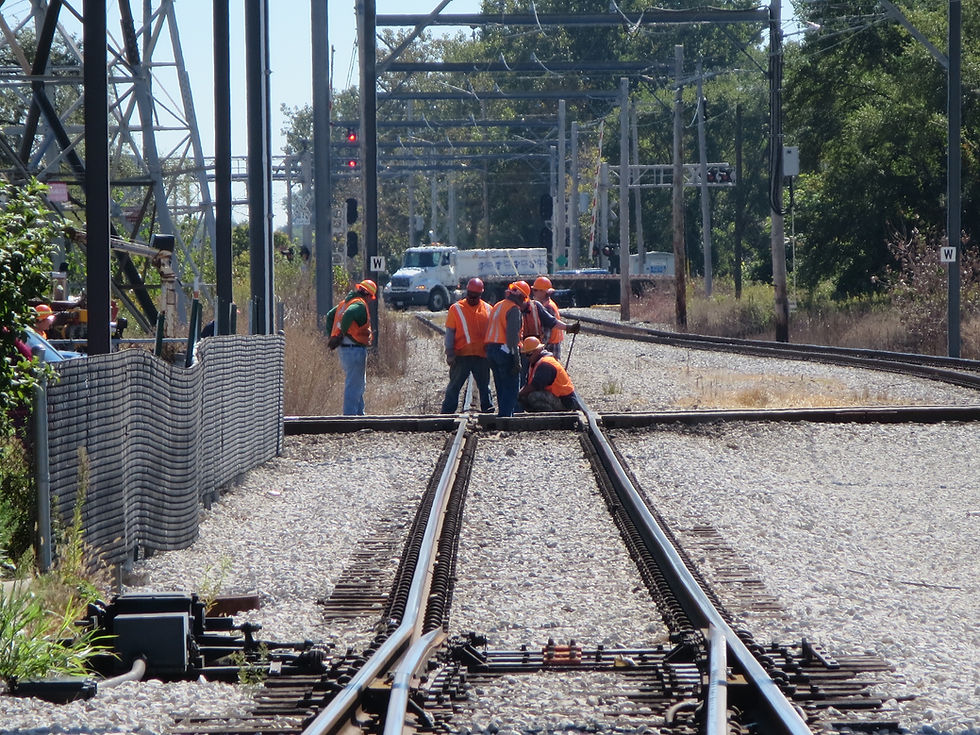
Rail and maritime safety are essential to protecting workers, passengers, cargo, and the environment while ensuring efficient transportation operations. Effective safety programs emphasize hazard awareness, regulatory compliance, equipment maintenance, and comprehensive employee training. Rail personnel must follow strict procedures for track safety, signaling systems, and equipment operation, while maritime workers must be trained in vessel safety, cargo handling, emergency response, and navigation protocols. Regular inspections, clear communication, and adherence to established safety standards help prevent accidents, reduce operational risks, and maintain reliable transportation networks. By promoting a strong culture of safety and accountability, rail and maritime organizations can safeguard lives, protect valuable assets, and support uninterrupted operations.

Data Center Safety
Data center construction safety is critical to the successful development of facilities that support today's digital infrastructure. These complex projects involve large-scale structural work, electrical installations, mechanical systems, and specialized equipment that require rigorous safety planning and execution. Effective safety programs focus on hazard identification, fall protection, crane and rigging operations, excavation safety, confined space awareness, and strict adherence to electrical safety procedures. Workers must be trained to safely perform tasks associated with concrete placement, steel erection, equipment installation, and coordination among multiple trades operating simultaneously on-site. Regular inspections, detailed pre-task planning, and clear communication help minimize risks and maintain compliance throughout every phase of construction. By prioritizing safety from groundbreaking through commissioning, project teams can protect workers, maintain schedules, and deliver high-performance data center facilities without compromising safety standards.